Keep shipping areas running with sturdy commercial concrete slabs in Pittsburgh, PA. We pour loading docks, truck aprons, and equipment pads that stand up to heavy loads. Reinforced concrete and proper jointing help prevent damage where traffic is heaviest.
Brava Concrete Pittsburgh provides professional commercial concrete slab throughout Pittsburgh, PA and the surrounding area. Our licensed, insured crew delivers safe, clean, on-time work with a free estimate before anything begins. Call (412) 231-9528 or request your free quote.
Commercial concrete slabs and loading docks built for Pittsburgh conditions
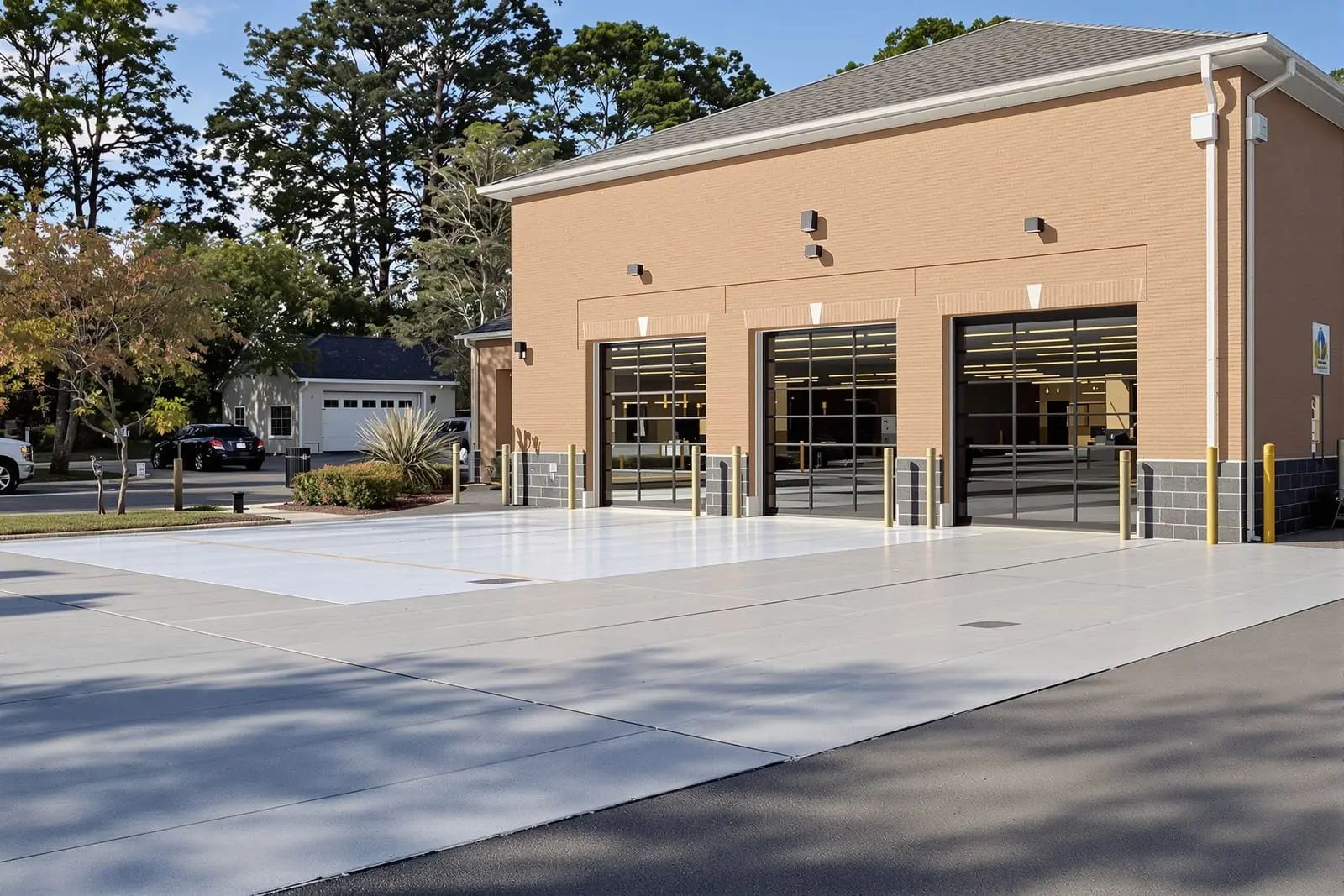
If your business depends on trucks, forklifts, or pallet jacks, your concrete slab and loading dock are not cosmetic features. They are structural workhorses that have to stand up to real abuse. At Brava Concrete Pittsburgh, we design and pour commercial concrete slabs and loading docks that match what you actually do on site, not just what looks good on a blueprint.
Pittsburgh properties deal with freeze thaw cycles, deicing salts, and heavy vehicles that chew up weak concrete. We select mix designs and reinforcement that reflect that reality. For most loading docks and commercial slabs, we start the conversation with load charts, equipment weights, and traffic patterns. If your dock gets daily 53 foot trailers, we size the slab and apron differently than for a smaller box truck operation.
Instead of a one size fits all 4 inch pad, we talk thickness, base prep, rebar layouts, control joint spacing, and how drainage will work around the dock. By the time we form and pour, you know exactly what is going under and inside the concrete that you are paying for.
How we design your commercial concrete slab and loading dock
Good loading docks and commercial slabs start on paper. Brava Concrete Pittsburgh reviews your site plan, intended use, and any existing structural drawings. For new builds or major additions inside city limits, we coordinate with your architect or engineer so the slab design matches your building permit set and complies with Pittsburgh and Allegheny County requirements.
We look at three main design factors. First, load capacity. We calculate point loads from racking, machine pads, dock levelers, and trailer landing gear, then size slab thickness (often 6 to 8 inches or more for loading areas) and reinforcement (rebar grids or welded wire mesh) to suit. Second, subgrade and base. Pittsburgh soils can shift or hold water, especially near old fill or riverfront sites. We specify excavation depths, compaction levels, and a stone base that drains so your slab does not settle or heave. Third, exposure. If snow removal equipment, rock salt, or chemical spills are likely, we adjust the concrete mix (often 4,000 psi or higher with air entrainment) and recommend sealers or hardened toppings.
For loading docks themselves, we detail the dock face, embed plates for dock bumpers, and the pocket for the leveler or edge of dock. We design the approach apron with a truck friendly slope, usually 4 to 6 percent, so trailers sit correctly at the dock. We also plan where trenches, floor drains, conduits, and bollards will go before the pour so nothing has to be cut out later.
Our installation process, step by step
Once the design is set, Brava Concrete Pittsburgh walks you through the actual build schedule so you know when you can get trucks or forklifts back on the slab. We start with layout and excavation, marking slab boundaries, slopes, and elevations, then remove unsuitable soils and old concrete as needed. The subgrade is compacted with plate tampers or rollers and checked so we are not pouring on soft spots that could later turn into cracks.
Next, we install a crushed stone base, usually No. 57 or similar, compacted in lifts. For interior commercial slabs that need moisture control, we often add a vapor barrier and coordinate with your flooring spec. We set forms and pin them tight so slab edges stay straight, then place reinforcement. This might be rebar on chairs, dowels into existing concrete, or heavy gauge wire mesh pulled into the slab during placement.
We order commercial concrete slab mixes from trusted Pittsburgh batch plants with the slump, psi, and additives matched to weather and placement method. Our crew places the concrete using chutes, buggies, or pump trucks depending on access, then strikes off to grade, bull floats, and checks slopes with lasers. For loading docks and heavy use slabs, we typically saw cut control joints within 6 to 18 hours (weather dependent) to manage where cracks form.
Finishing is based on your use. Warehouse slabs often get a hard trowel finish for smooth forklift travel, while outdoor loading areas may get a broom finish for traction in winter. On exposed slabs, we apply a curing compound or wet cure method so the concrete develops full strength, which is critical in Pittsburgh’s temperature swings.
Cost factors and common issues with commercial concrete slabs
Property owners usually want to know why one commercial concrete slab quote is higher than another. At Brava Concrete Pittsburgh we break down what drives cost so you can compare apples to apples. Major factors include slab thickness, reinforcement type and amount, base preparation, mix strength, and site access. A 6 inch slab with full rebar, deep stone base, and 4,000 psi mix will cost more than a thin, lightly reinforced slab, but it is also far more suited to heavy traffic and long term performance.
Site conditions can add cost as well. Poor soils, buried debris from older industrial use, limited truck access, or tight city alleys can require more excavation, stone, or concrete pumping. Weather adds another variable. In colder months we may need heated blankets, accelerators, or adjusted schedules so slabs cure properly, which we will explain in your proposal.
Common problems we are called in to fix on older Pittsburgh loading docks include spalled concrete at the dock face, broken slab edges where trailers drop, ponding water on the apron, and slabs that have settled away from the building wall. We address these by saw cutting and replacing failed sections with thicker, better reinforced concrete, installing better drainage or trench drains, and doweling new slabs into existing structure to tie movement together. Talking through these potential issues before you build helps avoid costly downtime later.
Permits, inspections, and what to expect during the project
Commercial concrete projects in Pittsburgh often involve more paperwork than a simple residential driveway. Brava Concrete Pittsburgh helps you navigate local requirements so your loading dock or commercial concrete slab is not delayed at inspection time. For new builds or major renovations, structural slab details are usually part of your building permit drawings reviewed by the city or municipality. For smaller replacements or repairs, you may still need a concrete or sidewalk permit, especially if the work impacts public right of way.
We coordinate inspections for subgrade, reinforcement, and concrete placement when required, and we keep pour tickets and batch information on file so you have documentation of the mix used. If your site has union, safety, or access rules, we review those ahead of time so our crew can work efficiently without interrupting your operations.
During the project you can expect noise from saw cutting and equipment, temporary loss of access to the work area, and a curing period before full use. We typically recommend light foot traffic after 24 hours, light equipment after 3 to 5 days, and full loading by heavy trucks or forklifts after 7 to 10 days, depending on the design and time of year. Before we leave, we walk the slab with you, point out joint locations, explain recommended sealing or maintenance, and answer any questions about future expansions or tie ins so your investment continues to serve your business for years.
“
Professional loading docks & commercial slabs, done right the first time, quality materials, honest pricing, and results that last.
Brava Concrete Pittsburgh
Loading Docks & Commercial Slabs Across Our Service Area